Other People’s Pictures2004/2007
Directors: Lorca Shepperd & Cabot Philbrick
Documentary
Review by Nancy Keefe Rhodes
When Syracuse native Lorca Shepperd and her husband/collaborator Cabot Philbrick set out to make
Other People’s Pictures, they expected their documentary would focus on the trade in vernacular snapshots and albums that goes on at flea markets, auctions, antique and second-hand shops.
“We thought it would be about the economics and mechanics of that market,” she said by phone recently from New York City, where the couple both work in television documentary. “But the emotions that collectors had about these photographs were really the whole point. We realized that after we started – that this film transcends the niche.”
A casual, sometime collector of the odd “snap” herself, Shepperd was sent to Manhattan’s Chelsea Flea Market by a friend. There she discovered multiple dealers with bins and tables full of cast-off snapshots and regular, sometimes impassioned customers. She was struck by seeming contradictions – that people fleeing sudden disasters like fires can emerge with little more than pets and family albums, yet there’s a flood of recycled snapshots for sale.
Their buyers in turn wonder aloud about their hobby in un-hobby-like terms that recall early superstitions about photography’s eerie capacity to capture frozen likenesses. Are they stealing a stranger’s past? wonders one, while another – speaking to the power of a rapid, unexpected attachment – says she’s the “foster parent of ghosts.”
Shot on week-ends between November 2001 and the summer of 2004,
Other People’s Pictures had a brief theatrical run that brought the filmmakers National Public Radio coverage and good reviews. It’s done well at festivals and won some awards. At 53 minutes – really sized for television – the film has screened on the Documentary Channel. Now it’s available on DVD, which may bring it the wider film audience it deserves, even though its commercial distributor, Cinema Guild, seems not to have been particularly energetic about getting it out there to some obvious outlets like Netflix.
Other People’s Pictures comprises overlapping interviews with snapshot collectors and dealers, along with interludes of stills drawn from particular sub-categories of images that people collect. One of the film’s many charms is that Shepperd and Philbrick seem to be equally fond of these quirky, compelling, largely anonymous images and the people who seek and cherish them. Largely filmed at the Chelsea Flea Market,
Other People’s Pictures also takes us inside a few of these collectors’ homes.
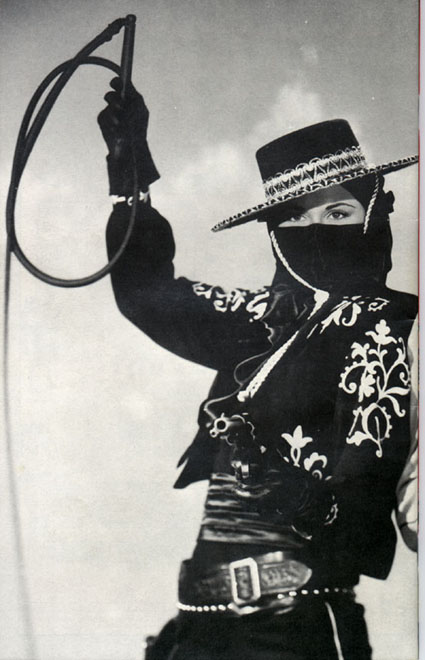
We might call such collectors “vernacular curators” and each has evolved a specialty. Lisa, who says she can’t afford “real photographs” but second-hand snaps are within her price range, favors early 20th century images of “women with attitude,” often the proud early drivers behind the wheels of cars. The gallery drawn from her collection alone makes this film worth seeing. Japanese-American Don, transplanted to New York, collects images from his native Hawaii. Dan frames and hangs what he calls “banality of evil” photos – snaps of Nazis at weddings, in family groups and relaxing. Leslie collects what he calls the hidden history of male affection. And there’s Fern and Peter and Ken and Leonie, plus several dealers who expound on the virtues of their chosen display method – single images loose in bins, offered by category in boxes or albums, and that’s not counting the fierce debate over whether to break up intact family albums.
For all the flea market chaos, considerable selection is involved here. Shepperd says they scanned over 1,500 images during filming, then used about 300 in the feast that is the final cut. They also survey the range of sub-categories enthusiasts seek: pictures taken at beaches, pictures with flash “shadows,” train wrecks, blurred images of people in motion, photo booth snaps, Down Syndrome children, joke photos or visual puns, mutilated photos with a face cut or scratched out, even people eating watermelon.
That last actually comes from the DVD extras, which add almost double the material of the original documentary. Profiles of two dealers detail how far and seriously they search for wares. And there are several more collectors, including a travel writer, an artist who uses the notations on the backs of snaps in her exhibitions and – though identified here only as “Marty” for her collection of snaps of women with cameras – the photographer Martha Cooper, who pioneered photographic records of early Hip-Hop graffiti and more recently the related global phenomenon of B*Girlz dance battles.
Shepperd says she and Philbrick are “just tossing around ideas” for another film at this point. Meanwhile,
Other People’s Pictures ranks as a Genuine Find.
*******
“Other People’s Pictures” is available online for personal purchase at www.other-peoples-pictures.com, which includes galleries of film stills & print resources on vernacular photography.
.jpg)


